




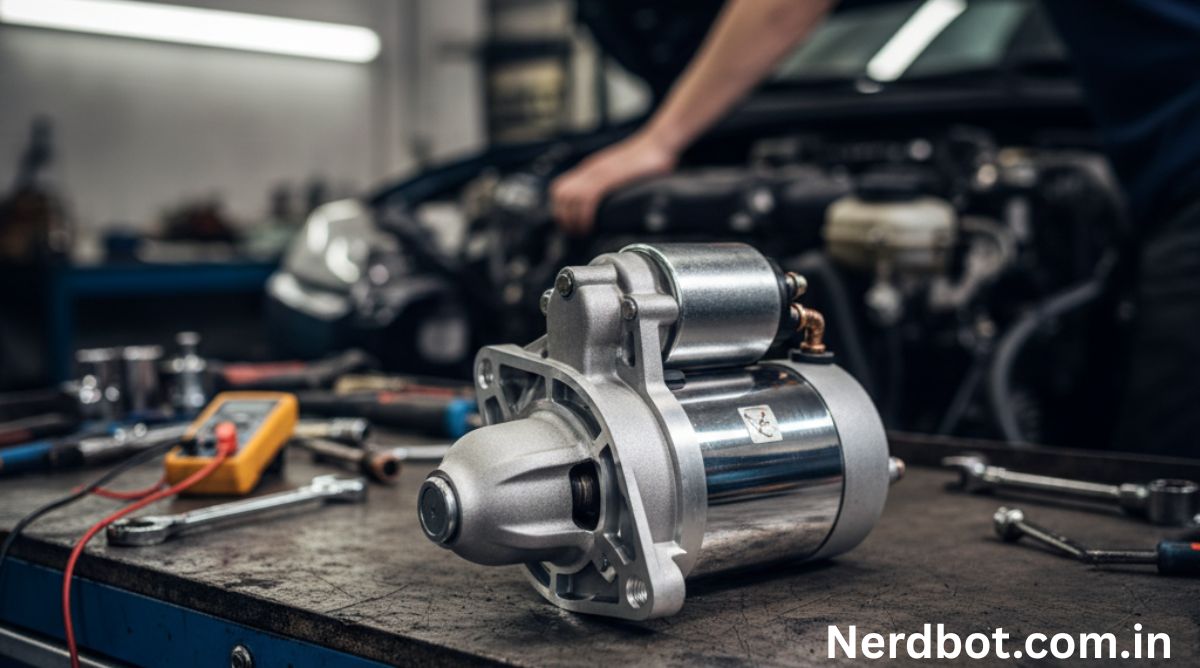
When your car refuses to start and you hear only a clicking sound or nothing at all, the culprit could be a bad starter motor. The starter is a small but powerful component that initiates the engine’s ignition process. Without it, your vehicle simply won’t start. Naturally, one of the first questions drivers ask when faced with starter trouble is — how much does a starter cost?
This comprehensive guide explains everything you need to know about starter costs, factors affecting pricing, repair versus replacement options, and how to identify early signs of failure.
What Is a Starter Motor?
A starter motor is an essential electrical device that cranks your car’s engine to start it. When you turn the key or push the start button, the starter motor draws power from the car battery and spins the engine’s flywheel, which sets the pistons in motion. Once the engine begins running, the starter disengages.
The starter system includes several key parts:
- Solenoid: Acts as a relay to engage the motor when you start the car.
- Armature: The rotating part of the motor that creates motion.
- Drive gear (Bendix gear): Connects the starter to the engine flywheel.
- Field coils or magnets: Generate the magnetic force that powers the armature.
Over time, wear and tear on these components can cause the starter to fail, necessitating repair or replacement.
Average Cost of a Starter Replacement
So, how much does a starter cost?
The average cost of a starter replacement varies based on several factors such as vehicle type, brand, and labor rates. Typically, you can expect to pay:
- Parts only: $100 – $400
- Labor: $150 – $350
- Total cost: $250 – $750
For some high-end vehicles or rare models, costs can exceed $1000 due to complex installations or specialized parts.
Here’s a breakdown of average prices by vehicle category:
| Vehicle Type | Starter Cost (Parts + Labor) |
|---|---|
| Compact Cars | $250 – $400 |
| Sedans | $300 – $500 |
| SUVs | $400 – $700 |
| Trucks | $500 – $800 |
| Luxury Cars | $700 – $1000+ |
Factors That Affect Starter Cost
Several variables determine how much you’ll pay for a new starter:
1. Vehicle Make and Model
The biggest factor is the make and model of your vehicle. Starters for common brands like Toyota or Honda are generally cheaper than those for luxury or imported models such as BMW, Mercedes, or Jaguar.
2. Type of Starter
Different vehicles use different starter types — conventional, gear reduction, or permanent magnet starters. Gear-reduction types are more efficient but often more expensive.
3. OEM vs. Aftermarket
- OEM (Original Equipment Manufacturer) parts are made by the vehicle’s manufacturer and are usually more expensive.
- Aftermarket starters are made by third-party companies, offering more affordable alternatives with varying quality.
4. Labor Costs
Labor costs depend on how difficult it is to access the starter in your vehicle. In some cars, the starter is easily accessible and takes less than an hour to replace. In others, especially newer or larger vehicles, it can take several hours, increasing the labor cost.
5. Location and Service Provider
Prices vary significantly by region. Dealerships generally charge more for both parts and labor than independent repair shops.
6. Condition of Other Components
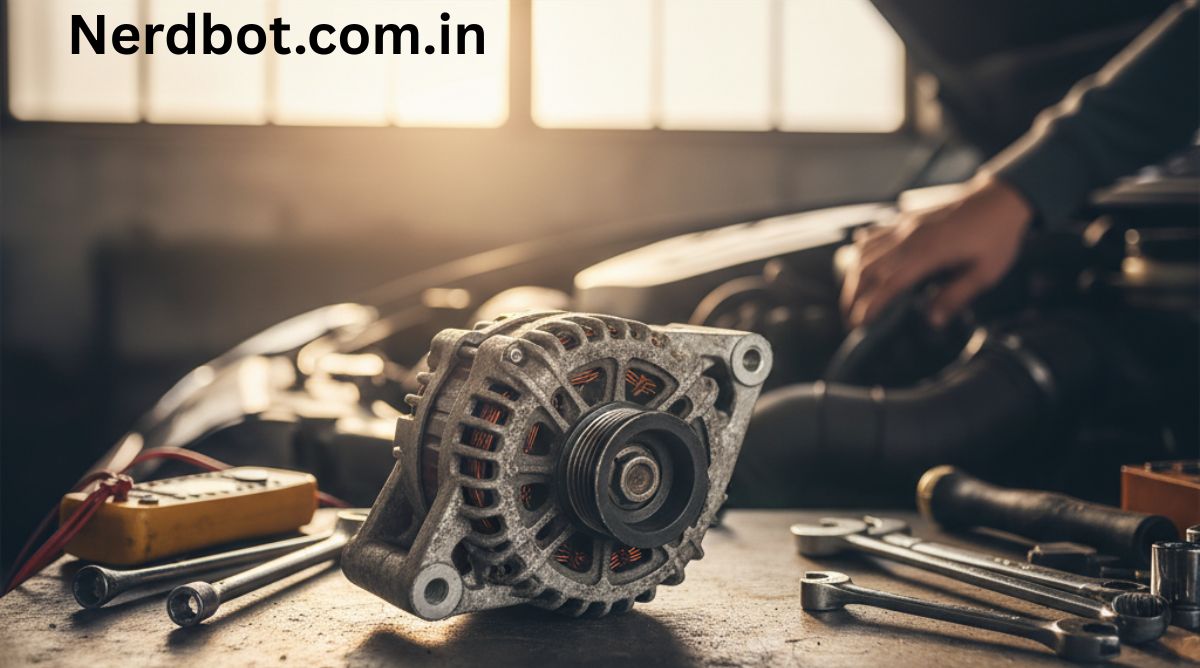
If the battery, alternator, or wiring needs inspection or repair along with the starter, total costs will rise.
Symptoms of a Failing Starter
Before you rush to buy a new starter, it’s important to confirm that it’s the actual problem. Many drivers confuse battery issues or alternator failure with starter trouble. Here are the common signs that indicate a faulty starter:
1. Clicking or Grinding Noise
When you turn the ignition key and hear a series of rapid clicks or grinding sounds, the starter motor may be struggling to engage.
2. Engine Won’t Crank
If you have power (dashboard lights are on) but the engine won’t turn over, the starter could be dead.
3. Smoke or Burning Smell
A burning smell or visible smoke indicates overheating due to electrical problems inside the starter or excessive cranking.
4. Starter Stays On After Engine Starts
If the starter continues running after the engine is on, it means the solenoid is stuck, which can cause severe damage to the starter and flywheel.
5. Intermittent Starting Issues
Sometimes the engine starts, and sometimes it doesn’t. This inconsistency can point to worn-out internal components in the starter motor.
Diagnosing Starter Problems
You can perform a few simple tests to determine if your starter is faulty:
1. Check the Battery
Use a multimeter to test battery voltage. If it reads below 12.4 volts, the issue might be a weak battery, not the starter.
2. Listen for Noises
If you hear a single click when turning the key, it often means the starter solenoid is engaging but the motor isn’t spinning.
3. Tap the Starter
In some cases, gently tapping the starter with a wrench can temporarily revive it by freeing a stuck gear — but this is only a short-term fix.
4. Test the Solenoid
You can test the starter solenoid using a voltage drop test or by having a mechanic check it with diagnostic tools.
5. Professional Diagnosis
If you’re uncertain, have a certified mechanic perform a diagnostic scan to pinpoint whether the issue lies in the starter, ignition switch, or wiring.
Repair vs. Replacement: Which Is Better?
Sometimes, repairing the starter can be cheaper than a full replacement, depending on the damage.
Repair:
If the solenoid or internal brushes are the only faulty components, a repair may cost between $100 and $250.
Replacement:
However, if the starter motor itself is burned out or heavily worn, full replacement is the better long-term solution. Modern sealed starters are often not designed to be rebuilt.
How Long Does a Starter Last?
A typical starter motor lasts between 80,000 and 150,000 miles, depending on driving conditions and maintenance. Factors such as frequent short trips or extreme temperatures can reduce its lifespan.
Regularly inspecting your electrical system and ensuring good battery health helps prolong starter life.
DIY Starter Replacement: Is It Worth It?
If you’re mechanically inclined, replacing the starter yourself can save significant money.
Pros:
- Saves on labor costs
- Opportunity to learn more about your car’s engine
- Immediate fix if you have the right tools
Cons:
- Requires proper tools and safety precautions
- Risk of incorrect installation
- May void warranty if not done correctly
Always disconnect the battery before working on the starter to avoid electrical shock or damage.
Where to Buy a New Starter
You can buy replacement starters from various sources:
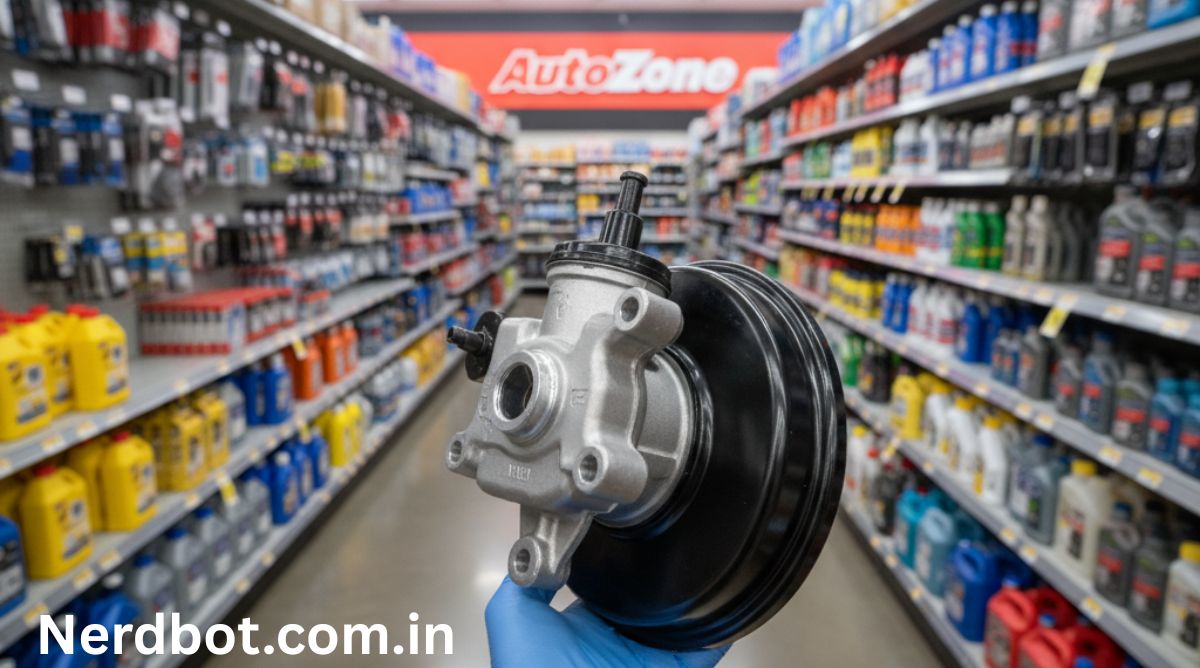
- Auto parts stores: AutoZone, Advance Auto Parts, O’Reilly
- Online retailers: Amazon, RockAuto, or eBay
- Dealerships: Genuine OEM replacements (often the most expensive)
Most new starters come with warranties ranging from 12 months to lifetime coverage, depending on the brand.
Tips to Extend Starter Life
- Keep your battery terminals clean to ensure proper electrical flow.
- Avoid cranking the engine for long periods; wait a few seconds between attempts.
- Maintain a healthy battery and alternator — low voltage stresses the starter.
- Have your electrical system inspected annually by a qualified technician.
Environmental Considerations
Starter motors are mostly made of metal and electrical components that can be recycled. Many service centers and auto parts retailers offer recycling programs for used starters. According to Wikipedia, recycling automotive components reduces waste and conserves valuable raw materials.
Final Thoughts
Understanding how much does a starter cost helps you plan for one of the most common car repairs. While prices range between $250 and $750 for most vehicles, costs depend on factors like model, brand, and labor charges. Early diagnosis and maintenance of your car’s electrical system can help you avoid starter failure altogether.
Whether you choose a professional mechanic or a DIY approach, replacing a faulty starter ensures your vehicle remains reliable and ready to go whenever you need it.