




Fasting (Vrat) is an important spiritual and cultural practice in India and many other parts of the world. People observe fasts for various reasons — to seek blessings from deities, purify the body, or practice self-control. During a fast, one must follow specific dietary rules, and this often raises confusion about what foods are allowed. One common question people ask is: “Can we eat corn in fast?”
In this article, we’ll explore whether corn (makka or bhutta) is allowed during fasting, what religious traditions say about it, its nutritional value, and what the ideal fasting diet should include.
To understand fasting and its significance, you can read more on Wikipedia’s Fasting page.
What Is Corn?
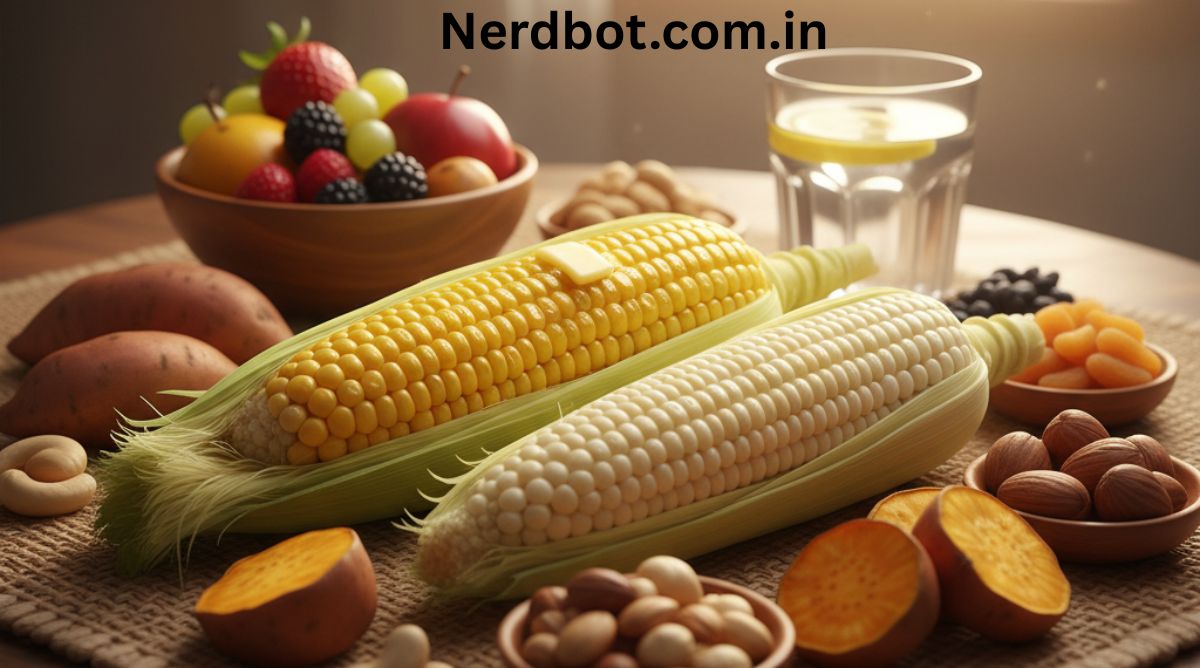
Corn, also known as maize, is one of the most widely grown cereal grains in the world. It is used in many forms — boiled corn, cornflakes, corn flour (makki ka atta), and popcorn.
Corn is rich in:
- Carbohydrates (for energy)
- Fiber (for digestion)
- Vitamins like B-complex and C
- Minerals like magnesium and potassium
You can learn more about this crop on Wikipedia’s page about Maize.
Fasting and Dietary Rules
In Hindu culture, fasting is seen as a sacred way to connect with the divine. There are different types of fasts such as:
- Ekadashi
- Navratri
- Mahashivratri
- Karva Chauth
- Shravan Somvar
Each of these fasts has its own rules about what can and cannot be eaten.
Generally, during fasts, devotees avoid:
- Grains (like rice, wheat, barley, corn, oats)
- Pulses and legumes
- Onions and garlic
- Regular salt (use sendha namak instead)
- Processed and packaged foods
Instead, they consume satvik foods such as fruits, milk, curd, nuts, and root vegetables like potato, sweet potato, and yam.
You can learn more about Hindu fasting traditions on Wikipedia’s page about Fasting in Hinduism.
Can We Eat Corn in Fast?
The straightforward answer is — ❌ No, corn is generally not allowed during religious fasts.
Here’s why:
1. Corn Is a Grain
Corn, or maize, is considered a grain (cereal), and almost all Hindu fasts strictly prohibit grains. During fasting, the idea is to avoid heavy, heat-generating foods that require complex digestion.
Grains like wheat, rice, and corn are considered taamsik or rajsik in nature, meaning they are believed to increase worldly desires and restlessness rather than promoting spiritual calm.
Hence, corn and its products (like corn flour or cornflakes) are not permitted during fasts like Navratri, Ekadashi, or Mahashivratri.
2. Fasting Focuses on Satvik Foods
Satvik foods are those that are natural, pure, and easy to digest. These include fruits, dairy, and certain root vegetables.
Corn, being a grain crop, does not fit into this category. It requires more effort to digest and can cause bloating or heaviness, which is contrary to the purpose of fasting — lightness and purity.
Corn and Different Types of Fasts
Let’s look at some common fasting practices and whether corn is allowed in each of them.
1. Ekadashi Fast
Ekadashi fasting is one of the strictest in Hinduism. Devotees avoid all kinds of grains and pulses. Since corn is a grain, it is strictly not allowed on Ekadashi.
Instead, people eat fruits, milk, and dishes made with sabudana (tapioca pearls) or kuttu (buckwheat).
Learn more about this sacred day from Wikipedia’s page on Ekadashi.
2. Navratri Fast
During Navratri, people worship Goddess Durga for nine days, abstaining from grains and non-satvik foods. Corn, being a grain, is not permitted.
Devotees typically eat:
- Fruits and milk
- Singhara (water chestnut flour)
- Kuttu (buckwheat flour)
- Sama ke chawal (barnyard millet)
These are considered fasting-friendly and are much lighter than corn-based foods.
For more about this festival, visit Wikipedia’s Navratri page.
3. Mahashivratri Fast
Devotees of Lord Shiva observe a full or partial fast on Mahashivratri. Only fruits, water, and milk are allowed.
Corn or any grain-based product is strictly avoided. The focus remains on spiritual devotion and cleansing.
4. Karva Chauth and Other Vrats
During fasts like Karva Chauth, women avoid grains and pulses until the fast is broken at night. Corn, being a grain, is again not allowed.
Exceptions — When Corn Might Be Allowed
Although corn is generally not allowed in religious fasts, it can be consumed in other types of health or intermittent fasts, which are not bound by religious rules.
1. Intermittent Fasting
In intermittent fasting, the goal is to control calorie intake, not necessarily to follow religious purity. Here, eating boiled or roasted corn during eating windows is perfectly fine because it provides healthy carbohydrates and fiber.
You can learn more about this modern fasting method on Wikipedia’s Intermittent fasting page.
2. Non-Religious Detox or Juice Fasts
If you are fasting for health or detox purposes, a small amount of corn or corn soup can be added once the digestive system is stable. But in strictly religious fasts, it remains prohibited.
Why Corn Is Avoided Spiritually
1. Considered a Heavy Food
Corn requires longer digestion time. It is not easily broken down in the stomach, which goes against the idea of fasting — giving rest to your digestive organs.
2. Associated with Grains (Cereals)
In scriptures like the Manusmriti and Puranas, cereals are mentioned as foods that should be avoided during fasting days dedicated to the gods.
3. Distracts Spiritual Focus
Foods that are heavy or stimulating are said to disturb mental peace and meditation. Fasting encourages consuming light foods to keep the body calm and mind focused.
Nutritional Perspective — Is Corn Healthy?
Yes! Corn is highly nutritious — it provides complex carbohydrates, dietary fiber, vitamins (like B1, B5, and folate), and minerals (like magnesium and iron).
From a scientific perspective, corn is a good source of:
- Energy: Excellent for restoring calories after a long fast.
- Fiber: Supports digestion and prevents constipation.
- Antioxidants: Contains lutein and zeaxanthin that promote eye health.
So, while corn is healthy in general, it’s not suitable for religious fasts due to traditional rules — not for health reasons.
To learn more about its benefits, see Wikipedia’s article on Maize.
What to Eat Instead of Corn During Fast
If you crave something similar to corn in taste or energy, here are some fast-approved substitutes:
1. Sama Ke Chawal (Barnyard Millet)
Also known as Vrat ke chawal, this millet resembles rice and is light on the stomach.
2. Kuttu Ka Atta (Buckwheat Flour)
Used to make parathas, pakoras, or pancakes during fasts.
3. Singhara Atta (Water Chestnut Flour)
Ideal for making puris, halwa, or cheela.
4. Sabudana (Tapioca Pearls)
Perfect for khichdi, vada, or kheer — provides carbohydrates without violating fasting rules.
5. Potatoes and Sweet Potatoes
Boiled or roasted, they provide energy and are allowed in almost all Hindu fasts.
These alternatives are light, nutritious, and completely fasting-friendly.
Can We Eat Corn After Fasting Hours?
If your fast is broken (Parana) in the evening or next morning, you can safely eat corn after performing the ritual meal.
In fact, corn is a good post-fast food, as it replenishes lost energy and provides fiber. Just make sure to eat boiled or roasted corn, not fried or spicy versions.
Modern View — Flexibility in Fasting Rules
Today, many people practice fasting not only for religion but also for health and mindfulness. While traditional fasting rules remain sacred, some individuals adapt them based on their personal capacity or medical conditions.
If you’re diabetic, underweight, or need energy for work, you may modify your fasting diet slightly. However, from a religious standpoint, corn still remains prohibited.
Final Thoughts
So, can we eat corn in fast?
❌ No, corn is not allowed during religious fasts such as Navratri, Ekadashi, or Mahashivratri, because it is classified as a grain.
✅ However, you can eat corn during non-religious fasts (like intermittent fasting or detox fasting), as it is nutritious and energy-rich.
Fasting is about purity, simplicity, and devotion — not indulgence. It’s better to consume natural foods like fruits, milk, and root vegetables rather than grains like corn.
After completing your fast, you can safely enjoy corn as part of a balanced diet.
To understand more about the cultural and spiritual meaning of fasting, visit Wikipedia’s article on Fasting.