When it comes to the performance and longevity of a manual transmission vehicle, one of the most critical components to consider is the clutch. Understanding how long a clutch lasts is essential for car owners who want to maintain smooth driving, prevent unexpected breakdowns, and save money on costly repairs. While clutch lifespan varies based on multiple factors—such as driving style, vehicle type, and maintenance habits—it’s generally possible to estimate its longevity with proper care and attention.
In this article, we’ll explore everything you need to know about clutch lifespan, signs of wear, maintenance tips, and replacement costs.
What Is a Clutch?
A clutch is a crucial component of a manual transmission system that connects and disconnects the engine from the transmission. In simple terms, it allows the driver to change gears smoothly without damaging the engine or transmission components.
When you press the clutch pedal, it disengages the engine’s power from the gearbox, enabling you to shift gears. Releasing the pedal reconnects the engine to the transmission, allowing the wheels to move according to the selected gear.
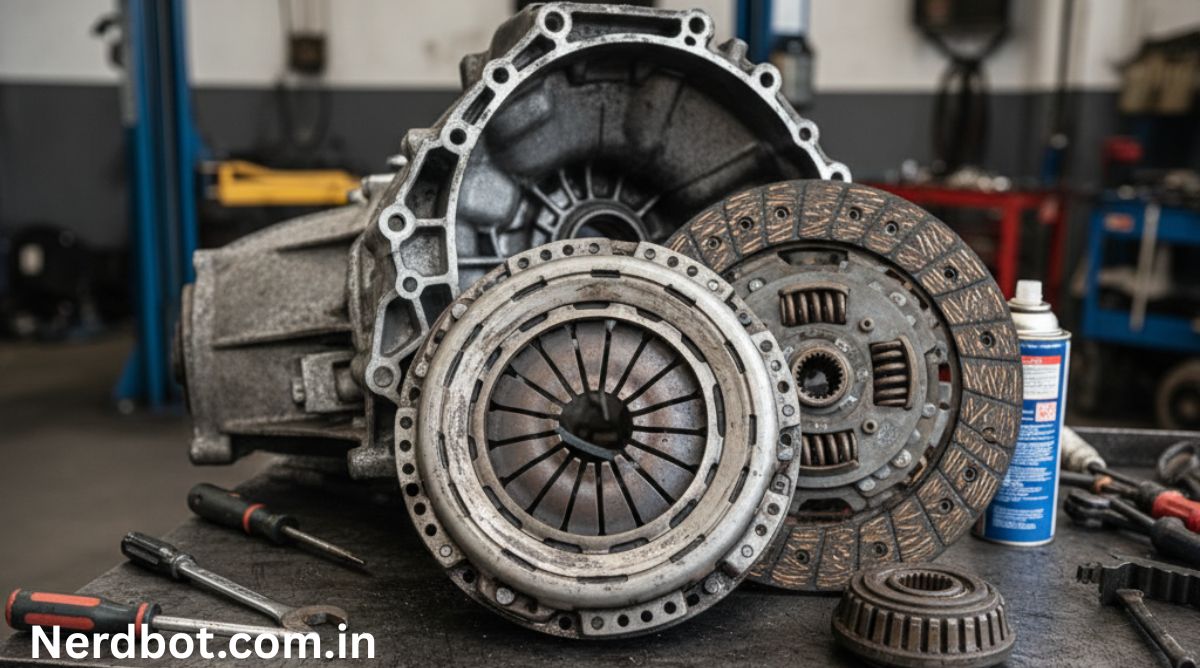
Clutches consist of several key parts:
- Clutch Disc: The friction plate that connects to the flywheel.
- Pressure Plate: Holds the clutch disc against the flywheel.
- Flywheel: A rotating part connected to the engine that helps smooth power delivery.
- Release Bearing: Helps disengage the clutch when the pedal is pressed.
All these parts work together to manage the transfer of power, and over time, friction and heat cause them to wear out.
Average Lifespan of a Clutch
On average, a clutch lasts between 50,000 and 100,000 miles, but this number can vary widely depending on how the car is driven and maintained.
For example:
- City Driving: Frequent stop-and-go traffic, constant gear shifting, and clutch usage can reduce lifespan to around 30,000–50,000 miles.
- Highway Driving: Minimal gear shifting allows the clutch to last 100,000 miles or more.
- Performance Cars: Vehicles used for racing or towing may wear out their clutches much faster, sometimes within 20,000–40,000 miles.
Keep in mind that modern clutches are made from durable materials like ceramic or kevlar, which can last longer than traditional organic compounds.
Factors That Affect Clutch Longevity
Several factors influence how long a clutch lasts. Understanding these can help extend its lifespan significantly:
1. Driving Style
Aggressive driving—such as rapid acceleration, holding the clutch halfway (“riding the clutch”), or downshifting abruptly—puts extra strain on the clutch components. Smooth, controlled gear changes help minimize wear.
2. Type of Vehicle
Different vehicles have different clutch systems. A light passenger car’s clutch lasts longer than that of a heavy-duty truck or sports car, as these vehicles generate higher torque and load.
3. Traffic Conditions
Urban environments with frequent stopping require more clutch engagement and disengagement, accelerating wear compared to long stretches of highway driving.
4. Maintenance and Inspections
Regular maintenance—checking clutch fluid (in hydraulic systems), adjusting the cable tension, and inspecting the clutch pedal’s free play—can prolong clutch life.
5. Clutch Material
High-performance or aftermarket clutches made from ceramic or carbon composite materials offer better durability and heat resistance than standard clutches.
Signs Your Clutch Is Wearing Out
Recognizing early symptoms of clutch wear can save you from a complete breakdown. Here are common signs:
1. Slipping Clutch
When the clutch disc loses friction material, it can no longer grip the flywheel effectively. You’ll notice the engine revving up without a corresponding increase in speed, especially during acceleration or uphill driving.
2. Difficulty Shifting Gears
If you struggle to change gears smoothly or hear grinding noises while shifting, it might indicate clutch wear or hydraulic fluid issues.
3. Spongy or Sticky Clutch Pedal
A clutch pedal that feels unusually soft or doesn’t return to its normal position could mean air in the hydraulic system or a failing clutch master/slave cylinder.
4. Burning Smell
A strong burning odor, especially during heavy traffic or hill starts, suggests excessive clutch slipping and overheating.
5. Vibrations or Jerking
Vibration while pressing the clutch pedal or jerking motion when engaging gears could point to a warped clutch plate or misalignment.
How to Extend the Life of Your Clutch
Prolonging clutch life involves developing good driving habits and keeping up with regular maintenance. Here are expert tips:
1. Avoid Riding the Clutch
Keep your foot off the clutch pedal when not shifting. Resting your foot on the pedal applies slight pressure, causing unnecessary wear.
2. Don’t Hold the Clutch on Hills
Use the handbrake instead of balancing on the clutch while waiting on an incline. This prevents the clutch from overheating and slipping.
3. Shift Smoothly
Engage gears gently without forcing the shifter. Jerky movements can cause shock to the clutch and gearbox.
4. Maintain Proper Fluid Levels
For hydraulic clutches, ensure the clutch fluid is topped up and clean. Contaminated fluid can affect pedal response and wear out seals.
5. Regular Inspections
Have your mechanic inspect the clutch system during routine servicing to catch early signs of trouble.
When to Replace a Clutch
Even with the best care, clutches eventually wear out. Replacement becomes necessary when performance deteriorates significantly.
A clutch replacement typically includes the clutch disc, pressure plate, release bearing, and sometimes the flywheel.
Replacement Costs
The cost of replacing a clutch varies based on vehicle type and region:
- Compact cars: $600–$900
- Mid-size vehicles: $900–$1,300
- Luxury or performance cars: $1,500–$2,500 or more
Labor costs contribute significantly since replacing a clutch involves removing the transmission. Always get a detailed estimate before proceeding with repairs.
How Mechanics Diagnose a Failing Clutch
Mechanics use several tests to determine if a clutch needs replacement:
- Road Test: Observing slipping, shuddering, or engagement delay.
- Pedal Inspection: Checking for proper travel and resistance.
- Hydraulic System Check: Examining for leaks or low fluid levels.
- Visual Inspection: Removing the transmission to inspect the clutch disc and flywheel directly.
Manual vs. Automatic Transmission Clutch
While manual transmissions use a driver-operated clutch, automatic transmissions use a torque converter or dual-clutch system. These components perform similar functions but wear differently.
Dual-clutch systems, for instance, are more complex and expensive to repair, but they provide quicker gear changes and better fuel efficiency.
For more information, you can read the detailed explanation of clutch types and functions on Wikipedia’s Clutch page.
Is It Worth Replacing the Clutch?
If your car is relatively new or in good condition, replacing the clutch is usually worth the investment. However, for older cars nearing the end of their lifespan, the cost might outweigh the benefits. In such cases, evaluate your vehicle’s overall condition and resale value before deciding.
Conclusion
The question “how long does a clutch last?” doesn’t have a single answer—it depends on your vehicle, driving conditions, and maintenance practices. On average, a well-maintained clutch can last up to 100,000 miles or more, while poor driving habits can cut its life in half.
By understanding the factors that affect clutch wear, recognizing the warning signs early, and following proper driving techniques, you can extend the lifespan of your clutch and ensure a smoother, more reliable driving experience.
For further reading on how a clutch works and its various components, visit the Clutch Wikipedia page for an in-depth technical overview.
About the Author