




The Mass Air Flow (MAF) sensor is one of the most important components in a vehicle’s engine management system. It measures the amount of air entering the engine and sends this data to the engine control unit (ECU), which then adjusts the fuel mixture accordingly. When the MAF sensor becomes dirty or clogged with debris, it can cause a range of issues—such as poor fuel economy, rough idling, or even stalling. Therefore, knowing how to clean a MAF sensor is essential for maintaining engine performance and extending the life of your car.
In this detailed guide, we’ll explain everything you need to know about cleaning your MAF sensor safely and effectively, step-by-step.
What Is a MAF Sensor?
Before diving into the cleaning process, it’s important to understand what a MAF sensor does. The Mass Air Flow sensor measures the air entering the engine’s intake manifold. It helps the ECU determine how much fuel to inject into the combustion chambers.
There are two main types of MAF sensors:
- Hot wire sensors – These use a heated wire to measure airflow. The cooling effect of the air determines the air mass.
- Vane meter sensors – These use a spring-loaded flap that moves depending on the amount of air entering the engine.
Most modern vehicles use the hot wire MAF sensor due to its accuracy and quick response.
Why Cleaning the MAF Sensor Is Important
Over time, the MAF sensor accumulates dust, oil, and dirt from the intake air. Contaminants can come from dirty air filters, oil vapors, or environmental factors. A dirty sensor cannot measure airflow accurately, leading to incorrect air-fuel mixture ratios.
Symptoms of a dirty MAF sensor include:
- Rough idling or engine hesitation
- Decreased fuel economy
- Check engine light illumination
- Difficulty starting the engine
- Poor acceleration
Cleaning the sensor can often resolve these problems without the need for replacement. It’s also a cost-effective maintenance task that can be done at home with minimal tools.
Tools and Materials You’ll Need
Before you start, gather the following tools and supplies:
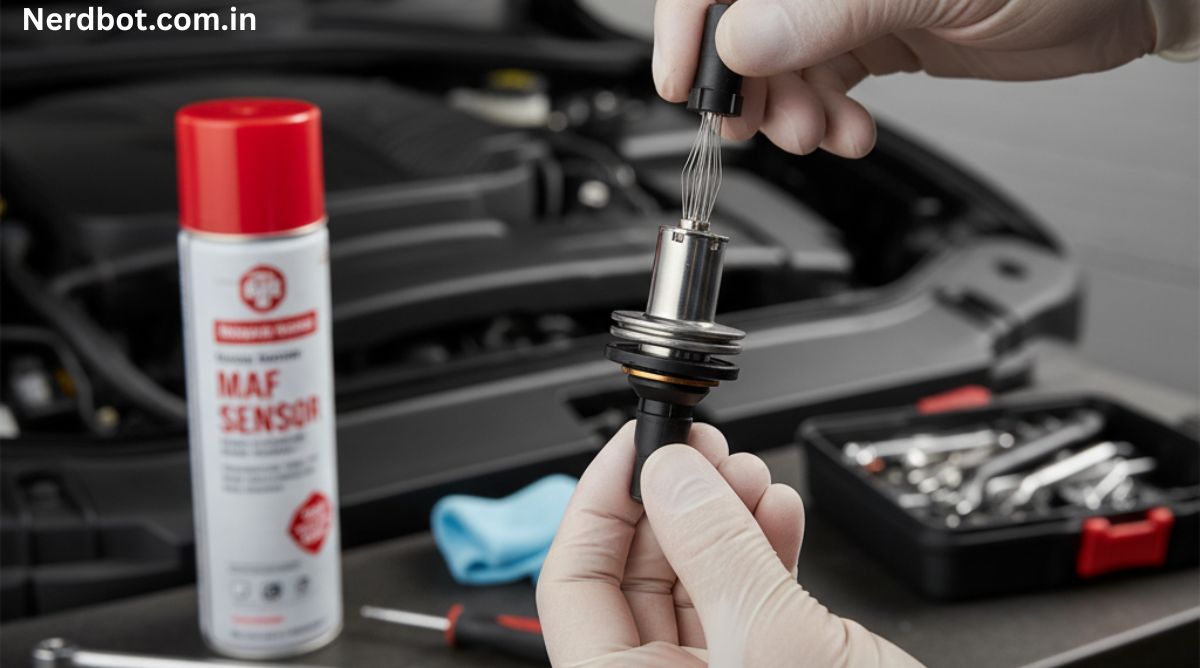
- MAF sensor cleaner (specifically formulated for sensors; do not use carburetor or brake cleaner)
- Torx or Phillips screwdriver (depending on your vehicle’s sensor type)
- Safety gloves and glasses
- Socket set or wrench
- Clean microfiber cloth
- Owner’s manual (for reference to sensor location)
You can easily find MAF sensor cleaner on Amazon or at any auto parts store.
Step-by-Step Guide: How to Clean MAF Sensor
1. Locate the MAF Sensor
The MAF sensor is typically found between the air filter box and the throttle body. Consult your owner’s manual or look for a small electrical component connected to the air intake tubing. It usually has a wiring harness attached to it.
2. Disconnect the Battery
Safety first—disconnect the negative terminal of your car’s battery. This prevents any electrical shorts and resets the engine control unit (ECU) after cleaning.
3. Remove the MAF Sensor
Unplug the electrical connector carefully. Then, use the appropriate screwdriver or socket to remove the screws holding the sensor in place. Handle it gently—MAF sensors are delicate and can be damaged easily.
4. Inspect the Sensor
Look for visible dirt, dust, or oil residue on the sensing wires or plate. Avoid touching the wires with your fingers or any object, as they are extremely fragile.
5. Spray the MAF Sensor Cleaner
Hold the MAF sensor cleaner about 6–8 inches away from the sensor. Spray the cleaner directly onto the sensing elements, ensuring you cover all sides. Use short, controlled bursts to avoid flooding the sensor.
Do not scrub or wipe the sensor—the cleaner will dissolve the contaminants on its own.
6. Let It Dry Completely
After spraying, allow the sensor to dry for at least 10–15 minutes. Do not use compressed air or a towel to speed up the drying process, as it may damage the sensor.
7. Reinstall the MAF Sensor
Once dry, reinstall the sensor carefully back into the air intake assembly. Tighten the screws securely but do not overtighten. Reconnect the electrical connector.
8. Reconnect the Battery and Test
Reconnect the negative battery terminal. Start your vehicle and let it idle for a few minutes. Observe if the engine runs smoothly and if the check engine light disappears.
If the issue persists, the sensor might be too worn or damaged and may require replacement.
Common Mistakes to Avoid When Cleaning MAF Sensor
- Using the wrong cleaner: Only use a cleaner specifically labeled for MAF sensors. Other chemicals can leave residue or damage the sensor.
- Touching the sensor wires: The hot wire is delicate and can easily break. Avoid physical contact.
- Reinstalling before it’s dry: Moisture can cause electrical shorts or malfunction. Always ensure complete drying.
- Ignoring the air filter: A dirty air filter can cause the MAF sensor to become dirty again quickly. Replace it if necessary.
How Often Should You Clean Your MAF Sensor?
There isn’t a strict timeline, but cleaning every 12,000 to 15,000 miles or once a year is generally recommended. If you drive in dusty environments or use an oiled air filter, clean it more frequently.
Regular cleaning can extend the lifespan of the sensor and prevent fuel efficiency loss.
Benefits of Cleaning the MAF Sensor
- Improved fuel economy: A clean MAF sensor helps maintain the ideal air-fuel ratio.
- Better engine performance: You’ll notice smoother acceleration and more stable idling.
- Reduced emissions: Cleaner combustion leads to lower carbon buildup and emissions.
- Avoid unnecessary repairs: Sometimes, cleaning can restore performance instead of replacing the entire sensor.
When to Replace Instead of Clean
Sometimes, cleaning isn’t enough. If your sensor still shows errors after cleaning, it may have failed electronically. Common signs include consistent check engine lights or diagnostic codes such as P0101 or P0102.
In such cases, replacing the MAF sensor is the best solution. New sensors usually cost between $50 and $200, depending on the vehicle model.
How to Prevent MAF Sensor Contamination
- Replace air filters regularly.
- Avoid over-oiling reusable filters.
- Check intake hoses for leaks.
- Use high-quality fuel to minimize residue buildup.
By maintaining clean intake components, you’ll reduce the chances of dirt reaching the MAF sensor.
Final Thoughts
Knowing how to clean a MAF sensor is a valuable skill that can save you money and improve your car’s performance. It’s a simple maintenance task that requires only a few tools and a bit of patience. By following the steps above, you can keep your engine running smoothly and efficiently.
However, if your vehicle continues to experience performance issues after cleaning, consider consulting a professional mechanic. Sometimes, other engine components—like oxygen sensors or throttle bodies—may also contribute to similar symptoms.
In short, a clean MAF sensor means a healthy engine, better mileage, and a smoother driving experience.