





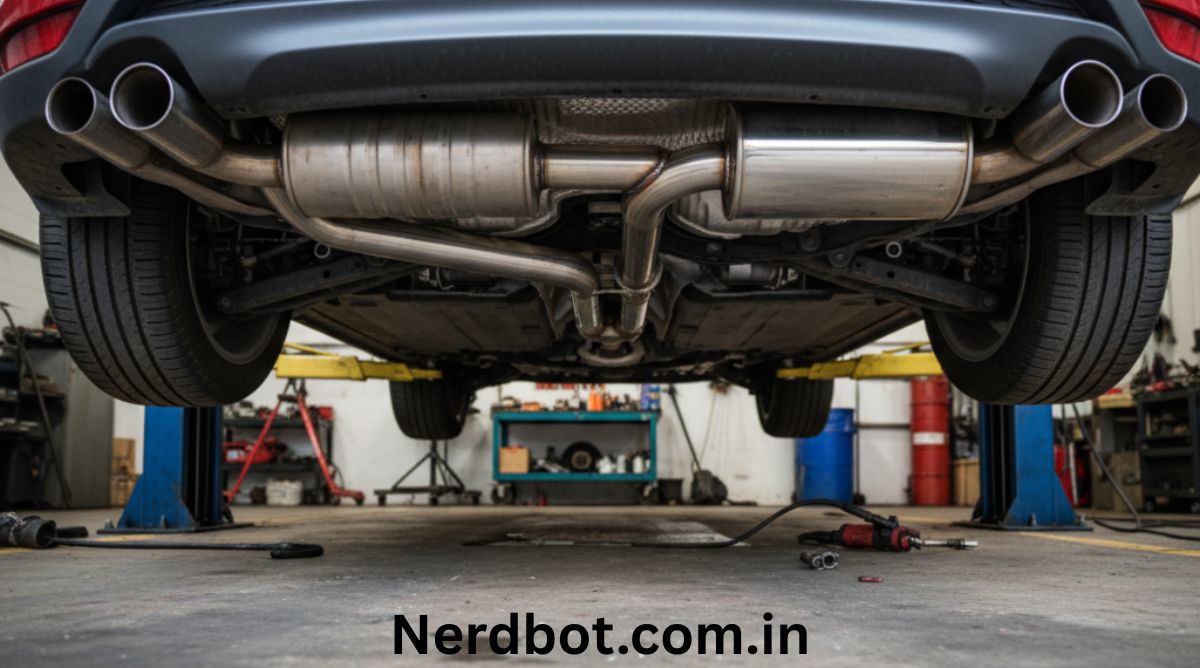
When it comes to car modifications, few upgrades are as simple yet as impactful as a muffler delete. This modification removes the muffler from your vehicle’s exhaust system to improve performance, reduce back pressure, and produce a louder, more aggressive exhaust sound. However, before you decide to go for it, one of the most common questions car enthusiasts ask is — how much is a muffler delete?
The answer depends on several factors such as the make and model of your car, the type of exhaust system you have, and where you get the work done. In this article, we’ll break down the cost of a muffler delete, explore its pros and cons, and discuss important legal and performance considerations.
What Is a Muffler Delete?
A muffler delete is a modification that involves removing the muffler, a component of the exhaust system designed to reduce engine noise. The muffler uses chambers and sound-dampening materials to minimize the noise produced by the engine’s exhaust gases.
In a muffler delete, the muffler is replaced with a straight pipe or performance exhaust pipe that allows exhaust gases to flow freely, resulting in a louder and more aggressive exhaust note.
How Much Is a Muffler Delete?
The cost of a muffler delete can range anywhere from $100 to $600, depending on various factors such as vehicle type, shop rates, and whether you’re doing it yourself or having a professional handle the job.
Here’s a breakdown of average muffler delete costs:
| Vehicle Type | Average Cost (Parts + Labor) |
|---|---|
| Compact Cars (e.g., Honda Civic, Toyota Corolla) | $100 – $250 |
| Mid-size Sedans (e.g., Camry, Accord, Malibu) | $150 – $300 |
| Sports Cars (e.g., Mustang, Camaro, Charger) | $250 – $500 |
| Trucks & SUVs (e.g., Silverado, F-150, Jeep Wrangler) | $300 – $600 |
If you have welding equipment and mechanical experience, you can save money by performing a DIY muffler delete, which might only cost $50–$100 in materials.
Factors That Affect Muffler Delete Cost
1. Vehicle Type and Exhaust Design
High-performance vehicles and trucks often have more complex exhaust systems, which require more labor and materials. A dual exhaust setup, for example, will cost nearly twice as much as a single exhaust system.
2. Labor Costs
Labor rates vary depending on location and the reputation of the exhaust shop. On average, labor costs for a muffler delete range from $50 to $200.
3. Quality of Materials
The type of pipe used for the muffler delete — whether stainless steel, aluminized steel, or mild steel — affects both the cost and durability. Stainless steel pipes are more expensive but resist rust and corrosion better.
4. Custom Fabrication vs. Pre-Made Kits
Some vehicles require custom fabrication if there’s no direct-fit muffler delete kit available. Custom jobs are more expensive but ensure proper fit and alignment.
Benefits of a Muffler Delete
Many car owners choose a muffler delete for both performance and aesthetic reasons.
1. Improved Exhaust Sound
The main reason most drivers opt for a muffler delete is the deeper, louder exhaust tone. It gives the vehicle a sporty, aggressive character that many enthusiasts love.
2. Slight Performance Gain
By removing the muffler, exhaust gases can exit more freely, reducing back pressure. While the performance gains are modest (typically 1–3 horsepower), some vehicles may experience improved throttle response.
3. Reduced Weight
Mufflers can be quite heavy, especially in older vehicles. Removing them can reduce the overall weight by 20–30 pounds, providing a minor performance improvement.
4. Affordable Modification
Compared to a full performance exhaust system, a muffler delete is a budget-friendly option that delivers noticeable results for a fraction of the cost.
Drawbacks of a Muffler Delete
While a muffler delete offers some benefits, it also comes with significant downsides.
1. Increased Noise
The most obvious drawback is the excessive noise. While it might sound thrilling at first, it can become annoying during long drives, especially on highways. The loud exhaust note can also attract unwanted attention from law enforcement.
2. Legal Issues
In many states and countries, muffler deletes are illegal because they increase noise pollution and violate emission standards. Fines can range from $100 to $1,000, depending on local regulations.
3. Reduced Comfort
Without the muffler, the car cabin can experience drone or vibration, especially at high RPMs. This can make your driving experience uncomfortable.
4. Potential Engine Impact
Although rare, removing the muffler can sometimes affect back pressure levels, which may alter the performance balance of your exhaust system.
Muffler Delete vs. Resonator Delete
Many people confuse a muffler delete with a resonator delete, but they’re not the same.
| Feature | Muffler Delete | Resonator Delete |
|---|---|---|
| Purpose | Reduces noise significantly | Tunes and smooths exhaust tone |
| Sound | Much louder and aggressive | Slightly louder and raspier |
| Performance | Small gain | Minimal effect |
| Legality | Often illegal | Usually legal (depends on state) |
For those who want a balance between sound and comfort, a resonator delete may be a better option.
DIY Muffler Delete: Is It Worth It?
If you have basic automotive tools and welding experience, performing a DIY muffler delete can save you a lot of money.
Steps for a DIY Muffler Delete:
- Lift the car securely using jack stands or a lift.
- Locate the muffler underneath the vehicle.
- Mark the section to be removed.
- Cut out the muffler using a saw or cutting tool.
- Install a straight pipe in its place.
- Weld or clamp the pipe securely.
- Check for leaks and test the exhaust sound.
However, be cautious — improper welding or alignment can cause exhaust leaks, poor fitment, or rattling noises.
Is a Muffler Delete Legal?
Legality varies by location. In the United States, most states have noise level laws that prohibit modifying exhaust systems to make them louder than the original factory setup.
For example:
- California: Muffler deletes are illegal under state noise laws.
- New York: Prohibits exhaust modifications that amplify sound beyond a set decibel level.
- Texas: Requires all vehicles to have a working muffler; deletes are not permitted.
Before performing a muffler delete, always check your local regulations to avoid fines or inspection issues.
Alternatives to a Muffler Delete
If you want a better exhaust note without violating noise laws, consider these alternatives:
- Aftermarket Performance Muffler: Offers better sound while staying street-legal.
- Cat-Back Exhaust System: Improves both sound and performance, though more expensive.
- Resonator Delete: Slight sound increase but usually legal.
These options provide a balanced combination of sound and performance without the downsides of a full muffler delete.
Maintenance and Longevity
A muffler delete doesn’t require much maintenance, but keep an eye on the exhaust pipe connections for rust, leaks, or cracks. Using stainless steel pipes can help extend the system’s lifespan.
Conclusion
The question “how much is a muffler delete?” doesn’t have a single answer — it depends on your vehicle, location, and choice of materials. On average, expect to pay $100 to $600 for a professional job or $50 to $100 if you do it yourself.
While the louder, sportier sound may appeal to enthusiasts, it’s important to weigh the legal restrictions, comfort issues, and potential drawbacks before committing to the modification.
If you’re after performance and sound improvements, but still want to remain road-legal, consider aftermarket mufflers or resonator deletes as more practical options.
A muffler delete can be a fun, inexpensive way to give your car a unique edge — but only if you understand the implications and ensure it’s legal where you live.
Wikipedia Source: Muffler – Wikipedia