





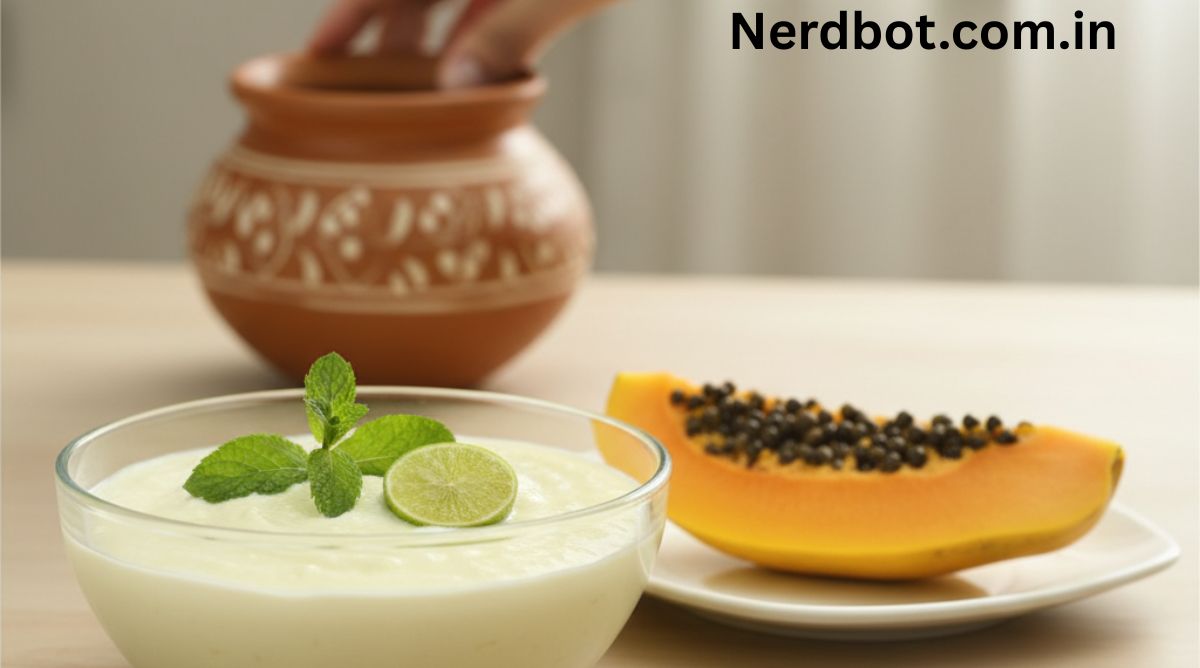
Jaundice is a liver-related condition that causes yellowing of the skin, eyes, and mucous membranes due to an excess of bilirubin in the blood. It is a symptom of underlying liver dysfunction and often appears when the liver is unable to properly metabolize and excrete bilirubin. One common question people ask during recovery is — can we eat curd in jaundice?
In this comprehensive article, we’ll explore the relationship between curd and jaundice, whether it is safe to consume curd during liver illness, what Ayurvedic and medical science say about it, and which foods are ideal for recovery.
For a detailed understanding of jaundice itself, you can read Wikipedia’s article on Jaundice.
What Is Jaundice?
Jaundice is not a disease by itself but a visible sign of liver dysfunction. It occurs when there’s an excess buildup of bilirubin, a yellow pigment formed from the breakdown of red blood cells. Normally, the liver processes bilirubin and eliminates it through bile. However, in jaundice, this process is disrupted.
Common Causes of Jaundice:
- Hepatitis (A, B, or C) — viral infections affecting the liver.
- Alcoholic liver disease.
- Gallstones blocking the bile duct.
- Hemolytic anemia (rapid breakdown of red blood cells).
- Liver cirrhosis or fatty liver disease.
Symptoms of Jaundice:
- Yellowing of skin and eyes.
- Fatigue and weakness.
- Nausea or vomiting.
- Loss of appetite.
- Dark-colored urine.
- Pale stools.
- Itchy skin.
To know more about its medical background, you can visit Wikipedia’s Jaundice page.
What Is Curd?
Curd, also known as yogurt, is a fermented dairy product obtained by curdling milk with natural bacteria (lactobacillus). It is highly nutritious and is known for its cooling and probiotic properties.
Curd is rich in:
- Calcium and protein
- Vitamin B12 and riboflavin
- Probiotics (good bacteria for digestion)
- Phosphorus and potassium
To learn more about curd, check out Wikipedia’s page on Yogurt.
Can We Eat Curd in Jaundice?
The answer depends on the stage of jaundice and individual digestive health.
Generally, yes — curd can be eaten during jaundice, but with caution and under certain conditions.
Let’s break it down:
1. Curd Is Easy to Digest (in Moderate Amounts)
During jaundice, digestion becomes weak because the liver is under stress. Curd, being a fermented dairy product, is easier to digest than milk. The bacteria present in curd help break down lactose and improve gut health.
However, curd should be fresh, plain, and unsalted. Avoid adding sugar or spices to it.
2. Probiotics Help Restore Gut Flora
Antibiotics or infections during jaundice can disturb the natural balance of gut bacteria. Curd is rich in probiotics, such as Lactobacillus acidophilus, which restore healthy intestinal flora and improve digestion.
This is particularly beneficial because a healthy gut helps the body absorb nutrients better, aiding faster recovery from jaundice.
3. Cooling Effect on the Body
Curd has a cooling effect on the digestive system and helps reduce internal inflammation. Since jaundice often increases body heat and leads to a feeling of fatigue, curd can offer mild relief.
However, it should be consumed at room temperature — not cold from the refrigerator — to avoid disturbing the liver and digestion.
4. Enhances Appetite
Loss of appetite is a major symptom of jaundice. Curd, when combined with rice or oatmeal, can help stimulate hunger and make eating more comfortable.
A light meal of curd rice (without spices or salt) can be very effective in improving digestion and energy levels.
When Should You Avoid Curd in Jaundice?
Although curd is generally beneficial, it might not suit everyone. Certain conditions require caution:
1. During the Acute Phase
If the patient is in the early or acute stage of jaundice, when the liver is inflamed and digestion is extremely weak, curd may be avoided temporarily. In such cases, it’s better to stick with liquids like coconut water, sugarcane juice, and soups until recovery begins.
2. If You Have Cold or Cough
Curd has a cooling property. If you’re suffering from a cold, cough, or sinus infection, it may aggravate mucus formation. In such cases, avoid curd until symptoms subside.
3. If Curd Is Sour or Stored Too Long
Always use fresh curd. Sour curd increases acidity and can irritate the liver. Never consume stale, refrigerated, or flavored curd during jaundice recovery.
Ayurvedic View on Eating Curd in Jaundice
According to Ayurveda, jaundice is referred to as Kamala, a disorder caused by an imbalance in Pitta dosha (the body’s heat element). The liver and bile are primarily governed by Pitta, and their disturbance leads to jaundice.
Ayurveda recommends consuming foods that cool down Pitta and are easy to digest.
What Ayurveda Says About Curd:
- Fresh, mild curd (navan dahi) can be eaten in small quantities.
- Sour, stale, or salted curd should be avoided.
- Mixing curd with sugar or jaggery can reduce its acidity.
In Ayurveda, curd is considered “Ushna” (warm in potency) when sour, but “Sheetal” (cooling) when fresh and mildly set. Therefore, the type of curd and method of preparation matter greatly during jaundice.
You can explore more about this ancient medical system on Wikipedia’s Ayurveda page.
Benefits of Eating Curd During Jaundice
1. Improves Digestion
Probiotics in curd aid digestion and reduce bloating — common complaints among jaundice patients.
2. Strengthens Immunity
Curd boosts immunity, helping the body fight off infections that can worsen liver health.
3. Source of Protein and Calcium
Curd provides essential nutrients that support tissue repair and maintain bone strength during recovery.
4. Prevents Weakness
Jaundice often causes fatigue. Curd gives light yet steady energy without overburdening the liver.
5. Detoxifies the Body
The beneficial bacteria in curd help detoxify harmful substances in the gut, indirectly reducing the liver’s workload.
How to Eat Curd During Jaundice
If your doctor allows curd, follow these guidelines:
- Consume fresh, homemade curd only.
- Eat at room temperature — never chilled.
- Avoid adding salt or sugar.
- Mix with boiled rice or oatmeal for a light meal.
- Have it in small quantities, once a day.
- Avoid mixing with spicy or oily foods.
A simple and effective recipe is curd rice — made with plain curd and soft-boiled rice. It’s light, cooling, and easy on the liver.
Alternatives to Curd During Jaundice
If curd doesn’t suit you or is restricted, you can try these alternatives:
1. Buttermilk (Chaas)
Diluted curd mixed with water and a pinch of roasted cumin powder. It’s lighter and helps with digestion.
2. Coconut Water
Hydrating and rich in electrolytes — excellent for liver cleansing.
3. Sugarcane Juice
Natural detoxifier and energizer. (Always use fresh and clean juice.)
4. Lemon Water
Promotes bile flow and aids liver detox.
5. Fresh Fruit Juices
Especially from papaya, pomegranate, and carrot — all are liver-friendly.
Foods to Avoid During Jaundice
Certain foods can worsen liver stress and slow recovery. Avoid these completely:
- Fried or oily foods.
- Spicy dishes.
- Meat, eggs, and seafood (heavy on digestion).
- Canned or processed foods.
- Alcohol and caffeine.
- Sour fruits like oranges or lemons in excess.
- Stale or reheated food.
A soft, light, vegetarian diet is ideal during jaundice recovery.
Recommended Diet Plan During Jaundice
Morning:
- Warm water with lemon (in moderation).
- Fresh fruit like papaya or apple.
Mid-Morning:
- Coconut water or sugarcane juice.
Lunch:
- Boiled rice with fresh curd or dal water.
- Steamed vegetables like bottle gourd (lauki) or pumpkin.
Evening:
- Herbal tea or buttermilk.
Dinner:
- Vegetable soup or khichdi.
Medical Advice on Curd in Jaundice
Doctors usually recommend curd as part of a light diet during the recovery phase — especially when the patient regains appetite and digestion improves.
However, in severe liver infections (like hepatitis B or C), or when the patient has diarrhea, curd should be temporarily avoided. Always consult your doctor before adding curd to your diet.
Final Thoughts
So, can we eat curd in jaundice?
✅ Yes, you can eat curd in jaundice, but it should be fresh, plain, and consumed in moderation. It helps improve digestion, boosts immunity, and supports recovery when used properly.
❌ Avoid curd if it’s sour, cold, or if you have cough/cold symptoms, as it may aggravate the condition.
Remember — the key to healing jaundice lies in rest, hydration, and a liver-friendly diet. Focus on natural, easily digestible foods and avoid anything heavy or processed.
For a better understanding of jaundice and its management, you can read Wikipedia’s article on Jaundice and Wikipedia’s page on Yogurt.