





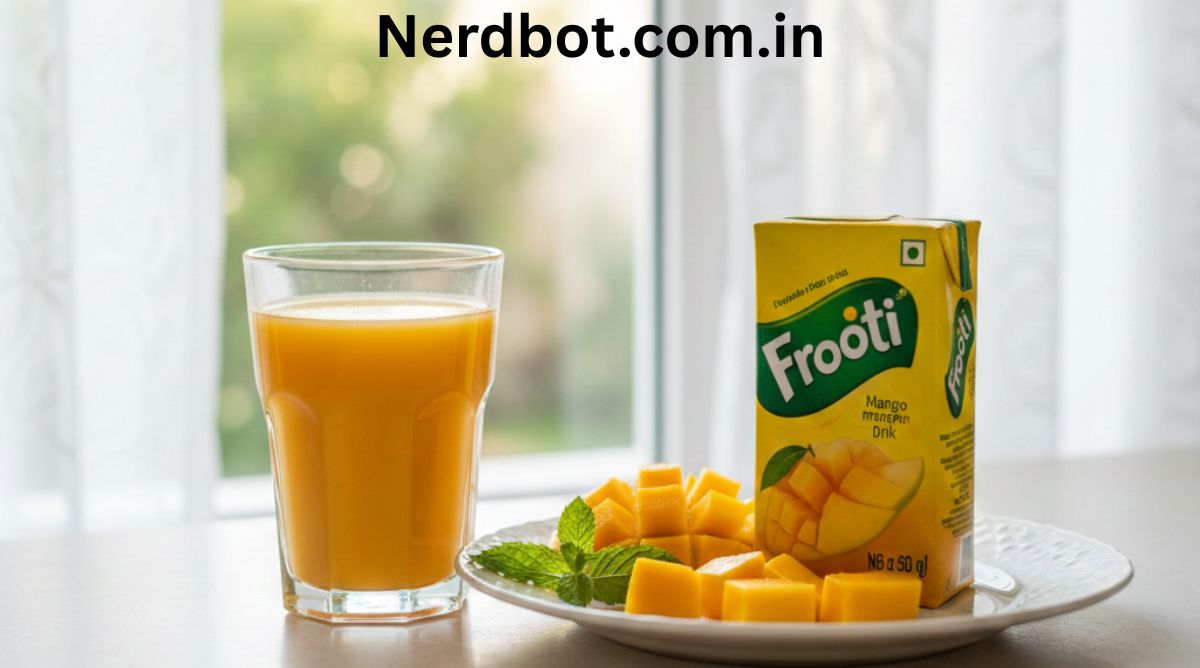
Many people in India observe religious fasts, such as during Navratri, Ekadashi, Mahashivratri, or Ramadan, to show devotion and discipline. During these fasting periods, people are often confused about what foods and drinks are allowed. One common question that arises is — “Can we drink Frooti in fast?”
In this detailed article, we’ll discuss whether drinking Frooti, a popular mango drink, is permitted during fasting, what ingredients it contains, and what health experts and spiritual traditions suggest. We’ll also look at healthy alternatives to consume while fasting.
You can learn more about fasting and its purposes from Wikipedia’s article on Fasting.
What Is Frooti?
Frooti is a widely loved mango-flavored drink produced by Parle Agro, one of India’s largest beverage companies. It’s made from mango pulp, sugar, water, and preservatives to give it a long shelf life and sweet taste.
Frooti was launched in 1985 and has been one of India’s most recognized tetra-pack drinks ever since. It is often enjoyed as a refreshing beverage, especially during the summer months.
You can read more about this drink and its company on Wikipedia’s Parle Agro page.
Ingredients in Frooti
Before deciding whether Frooti is allowed during a fast, it’s important to understand what it contains. A typical Frooti drink includes the following ingredients:
- Mango pulp (around 20–25%)
- Water
- Sugar
- Citric acid (used for flavor balance)
- Preservatives like potassium metabisulfite
- Artificial flavors and stabilizers
While the base of Frooti is mango pulp, which is a fruit and naturally acceptable during many religious fasts, the other additives may raise some concerns for those who strictly follow fasting rules.
To understand how food ingredients like sugar or preservatives work, see Wikipedia’s Food Additive article.
Types of Fasts and Their Dietary Rules
The rules of fasting vary depending on the religion or tradition you follow. Let’s look at some of the most common fasting types in India and what they permit.
1. Hindu Fasts (Vrats)
Hindus observe various fasts like Navratri, Ekadashi, Karva Chauth, and Mahashivratri. During these, many people avoid:
- Grains (like wheat or rice)
- Pulses
- Table salt (instead, rock salt or sendha namak is used)
- Packaged or processed foods
They are encouraged to eat natural and satvik foods like fruits, milk, curd, nuts, and coconut water.
Since Frooti contains processed sugar and preservatives, many spiritual practitioners avoid it, considering it a processed food. However, if your fasting tradition allows packaged fruit juices, Frooti can be consumed in moderation.
You can learn more about Hindu fasting practices on Wikipedia’s article about Hindu fasting.
2. Muslim Fasting (Ramadan)
During Ramadan, Muslims fast from dawn (Sehri) to sunset (Iftar). No food or drink is allowed during daylight hours, but after sunset, fruits, water, and natural juices are consumed to rehydrate.
After breaking the fast, you may drink Frooti, as it is fruit-based and provides quick energy. However, it’s still better to prefer fresh fruit juice or real mango pulp, as Frooti contains added sugar.
Learn more about Islamic fasting from Wikipedia’s Ramadan page.
3. Jain and Buddhist Fasts
Jain and Buddhist fasts emphasize simplicity and avoiding harm to living beings. Many Jains avoid processed or packaged foods. Hence, Frooti would generally not be recommended during a Jain fast due to its additives and preservatives.
4. Intermittent or Health Fasting
If you’re doing intermittent fasting for health or weight management, the rules are different. In this type of fast, anything with calories or sugar technically breaks the fast.
Since Frooti contains sugar and calories, it will break an intermittent fast. It’s better to drink plain water, black coffee, or green tea during fasting hours.
To understand more about this type of fasting, see Wikipedia’s article on Intermittent fasting.
Can We Drink Frooti in Fast? — The Verdict
Let’s summarize the answer clearly:
| Type of Fast | Is Frooti Allowed? | Explanation |
|---|---|---|
| Hindu Fast (Navratri, Ekadashi, etc.) | ❌ Usually Not Recommended | Contains preservatives and sugar, not pure fruit juice |
| Muslim Fast (Ramadan) | ✅ After Iftar | Can be consumed after breaking the fast for hydration |
| Jain Fast | ❌ Not Allowed | Processed drink, against fasting purity |
| Intermittent Fast | ❌ Breaks the Fast | Contains calories and sugar |
| Health Fast / Detox | ❌ Not Recommended | Processed and high in sugar |
In short, you can drink Frooti only after fasting hours (for example, during Iftar in Ramadan), but it’s not ideal during strict religious or detox fasts.
Why Frooti Is Not Ideal During a Religious Fast
Here are the main reasons why Frooti should generally be avoided during fasting:
1. Processed Ingredients
Frooti is not 100% natural — it contains added sugar, artificial flavoring, and preservatives that make it shelf-stable but less natural. Fasting is meant to purify the body and mind, so processed foods defeat its spiritual purpose.
2. High Sugar Content
One 200ml pack of Frooti can contain over 25 grams of sugar, which can spike blood sugar levels quickly. During fasting, this can cause fatigue or imbalance once the sugar high wears off.
3. Lack of Fiber and Nutrition
Unlike fresh mangoes, Frooti lacks the fiber, vitamins, and antioxidants that come with real fruits. It provides instant energy but little long-term nutritional benefit.
4. Artificial Additives
The citric acid and potassium metabisulfite used in Frooti are safe in small quantities but are still artificial chemicals — not ideal for spiritual or body-cleansing fasts.
To understand more about such food ingredients, refer to Wikipedia’s Food additive page.
Healthier Alternatives to Frooti During Fast
If you’re looking for something refreshing and tasty during your fast, try these natural alternatives:
1. Fresh Fruit Juices
Homemade juices made from mangoes, oranges, or apples are much healthier. Avoid adding refined sugar — instead, use a few drops of honey or dates for sweetness.
2. Coconut Water
Coconut water is a natural electrolyte-rich drink that keeps you hydrated and energized during fasts.
3. Lemon Water with Honey
A simple yet refreshing drink that boosts digestion and energy.
4. Milk with Cardamom or Saffron
In many fasting traditions, milk is considered pure (satvik). Add cardamom or saffron for taste and aroma.
5. Fresh Smoothies
Blend banana, mango, or papaya with milk or yogurt for a natural and filling drink.
These drinks align better with the spiritual and health objectives of fasting.
Scientific View on Drinking Frooti During Fast
From a scientific perspective, consuming Frooti during fasting hours introduces sugar and calories, which breaks the fasting state.
- In religious fasting, the aim is often spiritual cleansing — processed drinks interfere with that purpose.
- In intermittent fasting, the aim is metabolic reset — sugar stops the fat-burning process.
So, even though Frooti is fruit-based, it doesn’t align with either purpose fully.
Can Frooti Be Consumed After Breaking the Fast?
Yes! Drinking Frooti after breaking your fast is perfectly fine. In fact, it can provide quick energy and hydration after long fasting hours.
However, remember to drink it in moderation. Too much sugar after fasting can cause a sudden glucose spike and discomfort. Balance it with water, fruits, or a light meal.
Final Thoughts
So, can we drink Frooti in fast?
The answer depends on the type of fast and your intention behind fasting.
- If you’re fasting for spiritual or religious reasons, it’s best to avoid Frooti because it’s a processed, sugary drink.
- If you’re fasting for health or weight control, Frooti will break your fast due to its calorie and sugar content.
- But if you’re breaking your fast and want a quick energy boost, drinking Frooti in small quantities is absolutely fine.
Fasting is about discipline, purity, and balance — so choosing natural, unprocessed drinks like coconut water, fresh juice, or milk is always a better option.
To explore more about fasting practices and their significance, visit Wikipedia’s Fasting page.