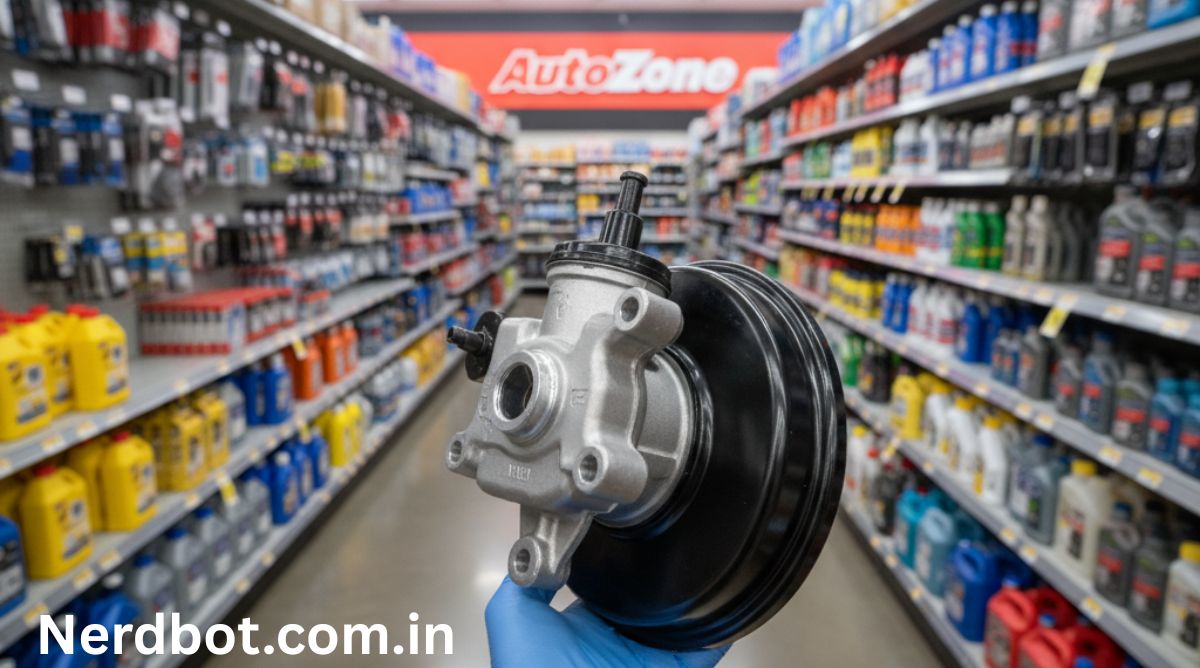
When it comes to maintaining your vehicle’s braking system, the brake booster is one of the most essential components. It ensures that applying the brakes requires minimal effort, providing safety and smooth driving performance. However, like any automotive part, brake boosters can wear out over time and need replacement. Many vehicle owners turn to AutoZone, one of the largest auto parts retailers in the United States, for quality and affordable brake boosters. This article will provide a detailed guide on how much a brake booster costs at AutoZone, what factors influence its price, how to recognize a failing brake booster, and what you should know before buying or replacing one.
What Is a Brake Booster?
A brake booster is a mechanical device that helps reduce the effort required to press the brake pedal. It’s typically located between the brake pedal and the master cylinder. The booster uses vacuum pressure (from the engine or a separate pump) to amplify the force applied by the driver’s foot, allowing for smoother and more effective braking without needing excessive pedal pressure.
In most vehicles, the brake booster is vacuum-assisted, although some modern vehicles use hydraulic brake boosters (common in diesel engines and heavy-duty vehicles).
How Much Is a Brake Booster at AutoZone?
The cost of a brake booster at AutoZone generally ranges between $100 and $400, depending on several factors such as the make and model of your vehicle, the type of booster, and whether it’s a remanufactured or brand-new unit.
Here’s a general breakdown of what you might expect:
- Economy models / remanufactured units: $100 – $180
- Mid-range OEM replacement boosters: $180 – $300
- Premium or heavy-duty models: $300 – $450
Keep in mind that labor costs for installation are not included in these prices. If you have your brake booster replaced by a mechanic, the labor cost can range between $150 and $300, depending on your vehicle type and local labor rates.
Factors That Affect Brake Booster Prices
Several key factors determine how much you’ll pay for a brake booster at AutoZone:
1. Vehicle Make and Model
Luxury or high-performance vehicles, such as BMW, Mercedes-Benz, or Audi, often have specialized brake boosters that are more expensive. Common models like Toyota, Ford, or Honda typically have more affordable options.
2. Type of Brake Booster
There are mainly two types of boosters:
- Vacuum Brake Boosters: Most common and relatively inexpensive.
- Hydraulic Brake Boosters: Used in heavy-duty vehicles and tend to be costlier due to their complex design.
3. Brand and Quality
AutoZone offers multiple brands, such as Duralast, Cardone, and Bosch. OEM (Original Equipment Manufacturer) parts usually cost more than aftermarket ones but offer superior performance and durability.
4. New vs. Remanufactured Units
AutoZone often provides remanufactured brake boosters, which are reconditioned to meet original specifications. These are more affordable than brand-new units but still reliable for most drivers.
Symptoms of a Failing Brake Booster
Recognizing the signs of a bad brake booster can save you from potential safety hazards. Here are the most common symptoms:
1. Hard Brake Pedal
If pressing the brake pedal feels unusually stiff or requires more effort, it could indicate that the booster’s vacuum assist isn’t working properly.
2. Increased Stopping Distance
When the booster fails, the braking system becomes less effective, which increases stopping distances — a serious safety concern.
3. Hissing Noise
A vacuum leak in the brake booster can create a noticeable hissing sound when the brakes are applied.
4. Engine Performance Issues
A leaking booster can cause vacuum leaks, leading to rough idling or stalling.
5. Brake Warning Light
In some vehicles, the dashboard may display a brake system warning light when there’s an issue with the booster.
How to Test a Brake Booster
You can perform a simple test to determine if your brake booster is working correctly:
- Turn off the engine and press the brake pedal several times to release any residual vacuum.
- Hold the pedal down and start the engine.
- If the brake pedal slightly sinks downward, your brake booster is functioning properly.
- If there’s no change in the pedal’s height, the booster may be faulty.
If you’re unsure, have a qualified mechanic perform a diagnostic test before replacing the booster.
How to Replace a Brake Booster
Replacing a brake booster can be a challenging DIY project, especially for beginners. However, if you’re confident in your mechanical skills, here’s a simplified overview of the process:
Tools You’ll Need:
- Socket wrench set
- Screwdrivers
- Line wrench (for brake lines)
- Replacement brake booster
- Safety gloves and goggles
Steps:
- Disconnect the battery to ensure safety.
- Remove the master cylinder from the booster (without disconnecting brake lines, if possible).
- Disconnect the vacuum hose and any electrical connections.
- Remove the brake booster mounting nuts located under the dashboard (behind the brake pedal).
- Take out the old booster carefully.
- Install the new booster, reconnecting all hoses, nuts, and the master cylinder.
- Check for vacuum leaks and test the brake pedal before driving.
If you’re not comfortable performing these steps, it’s always safer to have the job done by a professional technician.
Why Choose AutoZone for Brake Booster Replacement
AutoZone is a trusted retailer for automotive parts and accessories. Here’s why it’s a good choice for purchasing a brake booster:
1. Wide Selection
AutoZone offers a vast inventory of OEM and aftermarket brake boosters for all major vehicle brands.
2. Lifetime Warranties
Many Duralast brake boosters come with a limited lifetime warranty, ensuring peace of mind and long-term reliability.
3. Convenient Pickup or Delivery
You can order online and pick up in-store within hours or have the part delivered to your doorstep.
4. Expert Assistance
AutoZone’s staff and online tools can help you identify the correct part for your specific make and model.
Tips for Buying a Brake Booster
- Always verify compatibility using your car’s VIN or model details.
- Check for warranties — they can save money if future replacements are needed.
- Inspect the master cylinder for leaks before installing the new booster.
- Avoid cheap unbranded boosters; they may not meet safety standards.
Environmental Considerations
When replacing automotive components like a brake booster, remember to dispose of old parts properly. Some boosters contain metal and rubber materials that can be recycled. Many AutoZone stores offer recycling programs for used automotive components.
Conclusion
Understanding how much a brake booster costs at AutoZone helps vehicle owners make informed maintenance decisions. On average, you can expect to pay between $100 and $400 for the part, depending on your car’s make, model, and the booster type. While it’s possible to replace the booster yourself, professional installation ensures safety and proper performance.
A well-functioning brake booster is vital for smooth and safe driving. So, if you notice any symptoms of failure — like a stiff pedal, hissing sound, or poor braking response — it’s wise to inspect and replace the component promptly.
By choosing AutoZone, you gain access to quality parts, expert support, and reliable warranties, ensuring your braking system performs optimally for years to come.
Wikipedia Source: Brake Booster – Wikipedia
About the Author