When it comes to your vehicle’s electrical system, one crucial component that often goes unnoticed until it fails is the alternator. It’s responsible for keeping your car’s battery charged and powering all the electrical systems while the engine is running. Understanding how long an alternator lasts, what affects its lifespan, and how to spot early signs of failure can help you avoid unexpected breakdowns and costly repairs.
This detailed guide explores how alternators work, their average lifespan, factors influencing longevity, warning signs of failure, maintenance tips, and replacement costs.
What Is an Alternator?
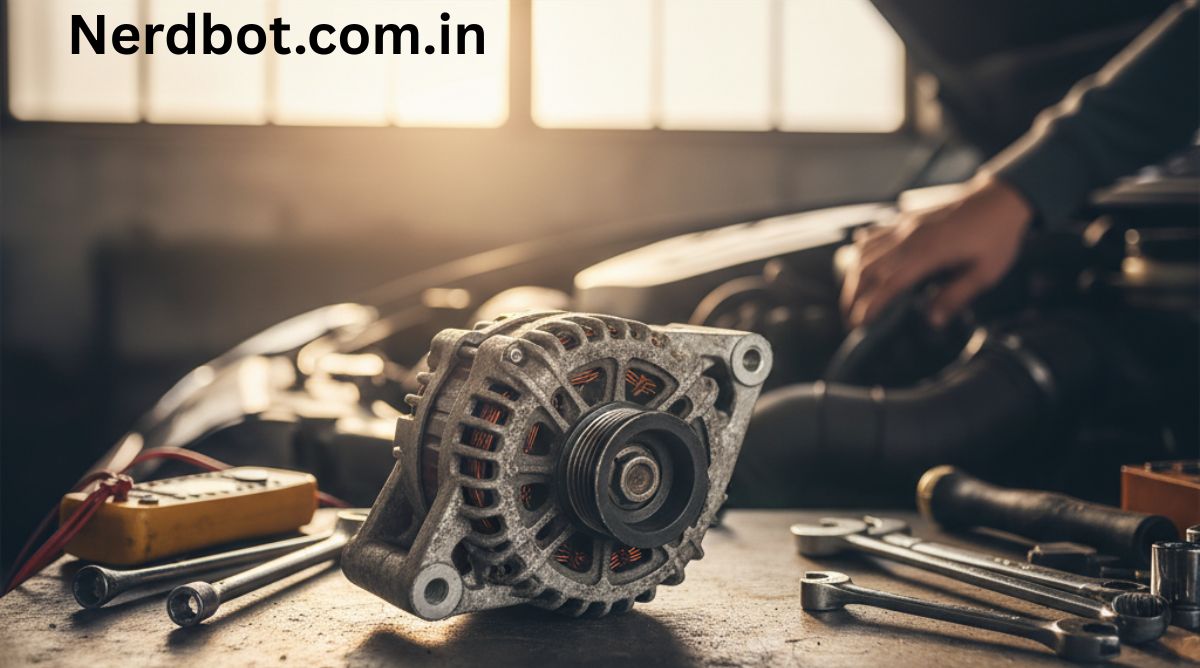
An alternator is an electrical generator that converts mechanical energy from the engine into electrical energy. It does this through a process called electromagnetic induction, producing alternating current (AC) electricity, which is then converted into direct current (DC) to charge the car’s battery and power components such as:
- Headlights and interior lights
- Air conditioning and infotainment systems
- Electric power steering
- Ignition system and sensors
In short, without an alternator, your car’s battery would quickly drain, leaving you stranded.
How Does an Alternator Work?
When the engine runs, a drive belt (often called the serpentine belt) spins the alternator’s rotor inside a stator. The rotor’s spinning magnetic field induces electrical current in the stator’s windings. This AC electricity passes through a rectifier, which converts it into DC power suitable for the car’s battery and electrical systems.
Most alternators also have a voltage regulator that maintains a steady voltage level (around 13.5 to 14.5 volts) to prevent overcharging or undercharging the battery.
Average Lifespan of an Alternator
The typical lifespan of an alternator ranges between 80,000 and 150,000 miles, or roughly 7 to 10 years. However, several factors influence how long it lasts.
Some alternators may fail much sooner, especially in harsh conditions or poorly maintained vehicles, while others can last the entire lifespan of the car.
General Lifespan Estimates:
- Compact cars: 7–10 years (100,000–150,000 miles)
- Luxury vehicles: 5–8 years (80,000–120,000 miles)
- Heavy-duty trucks: 5–7 years (70,000–100,000 miles)
Alternators are designed for durability, but wear and tear on internal components like bearings, brushes, and the voltage regulator can shorten their life over time.
Factors That Affect Alternator Lifespan
Several key factors determine how long an alternator lasts. Understanding them can help extend its operational life.
1. Driving Habits
Short, frequent trips don’t give the alternator enough time to recharge the battery fully. This causes it to work harder and wear out faster. Long highway drives are better for alternator longevity.
2. Electrical Load
Modern vehicles come with many electronic systems—heated seats, entertainment systems, and power accessories—that demand constant electricity. The higher the electrical load, the harder the alternator must work, shortening its lifespan.
3. Battery Condition
A weak or failing battery forces the alternator to produce extra current to compensate. Over time, this strain can lead to premature alternator failure.
4. Belt and Pulley Condition
A worn or loose serpentine belt can cause the alternator to slip, resulting in poor performance and overheating. Regularly checking and replacing belts helps prevent damage.
5. Environmental Conditions
Extreme heat, humidity, or exposure to dirt and oil can damage alternator components. Vehicles in hot climates or dusty areas often experience shorter alternator lifespans.
6. Quality of Parts
Aftermarket alternators or cheap replacement parts may not last as long as original equipment manufacturer (OEM) parts. Investing in high-quality components ensures durability.
Signs Your Alternator Is Failing
Recognizing the warning signs of a failing alternator can save you from getting stranded. Here are the most common symptoms:
1. Dimming or Flickering Lights
If your headlights or dashboard lights dim or flicker, especially when accelerating or idling, your alternator might not be producing enough power.
2. Battery Warning Light
The battery icon on your dashboard can indicate charging problems. Although it may seem like a battery issue, it often points to alternator trouble.
3. Dead Battery
A dead or frequently drained battery may signal that your alternator is no longer charging it properly.
4. Strange Noises
Worn-out bearings or a slipping belt can cause grinding or whining noises from the alternator area.
5. Electrical Malfunctions
If your car’s electronics behave erratically—such as power windows moving slowly or the radio cutting out—it may be due to insufficient voltage from a failing alternator.
6. Burning Smell
An overheated alternator or slipping belt can emit a burning rubber or electrical smell. This is a sign to check it immediately.
How to Test an Alternator
If you suspect alternator problems, you can perform basic checks before visiting a mechanic.
1. Visual Inspection
Check the alternator belt for cracks or looseness. Inspect electrical connections for corrosion or loose wires.
2. Voltage Test
Using a multimeter, measure the battery voltage with the engine off—it should read around 12.6 volts. Then start the engine; a healthy alternator should raise the voltage to 13.5–14.5 volts. Anything lower suggests charging problems.
3. Professional Diagnosis
A mechanic can perform a charging system test to measure the alternator’s output under various loads, confirming whether it needs replacement.
Can an Alternator Be Repaired?
In some cases, alternators can be repaired rather than replaced. Common repairs include:
- Replacing worn-out brushes or bearings
- Fixing a faulty voltage regulator
- Replacing a damaged rectifier
However, repairs are usually practical only if the alternator is relatively new and the damage is minimal. For older or extensively worn units, replacement is the better option.
Alternator Replacement Cost
The cost of replacing an alternator depends on your vehicle’s make and model, labor rates, and the type of part used.
Typical cost breakdown:
- Parts: $200–$600 (OEM alternators cost more)
- Labor: $100–$400 (depending on complexity)
- Total: $300–$1,000 on average
Luxury or hybrid vehicles may cost even more due to complex electrical systems.
How to Extend the Life of Your Alternator
While alternators wear out naturally, proper maintenance and driving habits can extend their lifespan.
1. Maintain the Battery
Regularly check your battery’s voltage and terminals. A healthy battery reduces alternator strain.
2. Inspect the Serpentine Belt
Replace worn or loose belts promptly. A slipping belt can reduce alternator efficiency.
3. Avoid Excessive Electrical Load
Don’t overload your vehicle’s electrical system with too many aftermarket accessories (like high-powered speakers or lights).
4. Keep the Engine Bay Clean
Oil or dirt buildup can damage alternator components. Clean the area regularly.
5. Drive Longer Distances
Frequent short trips can shorten alternator life. Occasionally take longer drives to allow the alternator to recharge the battery fully.
Alternator vs. Battery: Understanding the Difference
People often confuse alternator failure with battery problems. Here’s the difference:
- Battery: Stores electrical energy and powers the starter motor when the car is off.
- Alternator: Charges the battery and powers electrical systems while the engine runs.
A weak battery can mimic alternator issues and vice versa, so it’s best to test both components if your car shows electrical problems.
For a detailed technical explanation, you can read more about alternators on Wikipedia’s Alternator page.
What Happens If an Alternator Fails Completely?
If your alternator dies while driving, your car will continue to run until the battery’s charge is depleted. Then, all electrical systems—including lights, ignition, and power steering—will fail, and the engine will stall.
In such situations:
- Turn off non-essential electrical devices (like the radio or AC).
- Drive to a safe location or mechanic immediately.
- Avoid restarting the vehicle repeatedly—it drains the remaining battery faster.
Should You Replace or Rebuild the Alternator?
When an alternator starts failing, you have two options:
- Rebuilding:
- Involves replacing worn internal parts.
- Cheaper upfront but may not last as long as a new unit.
- Replacing:
- Installing a new or remanufactured alternator.
- More expensive but offers reliability and warranty protection.
For most drivers, replacement is the smarter choice in the long term.
Conclusion
So, how long does an alternator last? On average, between 80,000 and 150,000 miles, depending on your driving conditions, maintenance habits, and vehicle type. Alternators are durable components, but they can fail early if exposed to heavy electrical loads, poor maintenance, or extreme weather.
To maximize your alternator’s life:
- Keep your battery in good condition.
- Maintain clean electrical connections.
- Replace belts when worn.
- Address warning signs promptly.
By following these simple practices, you can ensure that your alternator—and your car—continues running smoothly for years.
For a more technical overview of alternators and their working principles, visit the Alternator Wikipedia page.
About the Author